Lentas - a mystical place
Crete is with 8331 square meters the largest Greek Island. Surrounded by three powerful continents - Europe, Africa and Asia - Crete came over the centuries all the time into the focus of different big power constellations. By its strategically favorable position and as the fifth-largest island of the Mediterranean Sea Crete was conquered regularly of other ruling powers and its inhabitants had to bend themselves over and over again.
To pursue the history of Crete becomes simple based on the writings of the historians. There is very little available of the antiquity writings about Lentas. Only a few authors of the antiquity mention the place.
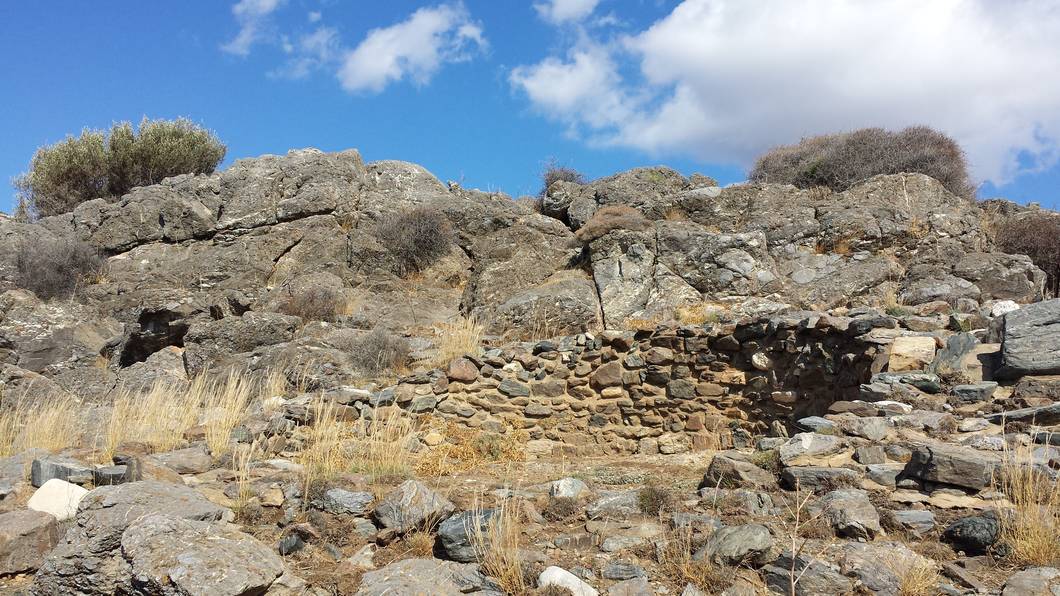
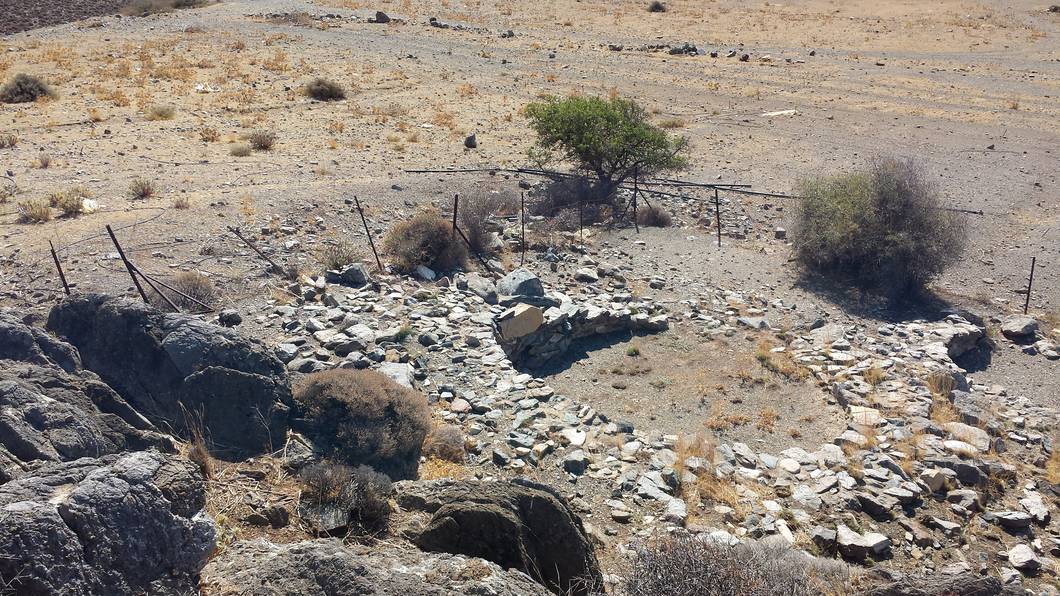
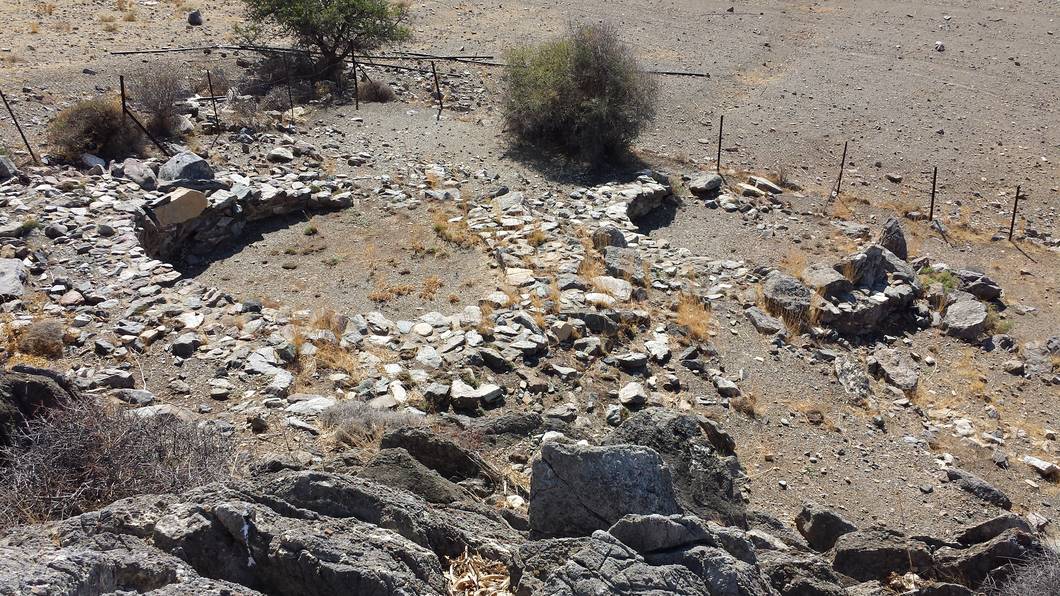
The oldest tracks of settlement remainders on the lion mountain are from the stone era. More revealing finds are from the Minoan era: In Lentas ruins of an early Minoan settlement with dome graves were found. In the round graves and in a rectangular space ceramics were discovered, such as figurative sculptures (animals, fruits and ships, etc.). They were derived from Minoan craftsmen who must have had a large artistic imagination and creativity. Likewise one found a two-piece ceramic pot decorated with ritual bull symbols. To the finds belong Cycladic idols, stone containers, jewelry, an Egyptian Scarabaeus and bronze spearheads. These finds prove that the Minoans on Crete created an advanced culture and through their port made trade relations over the entire Mediterranean area. To see these finds today you can visit the Archaeological Museum in Heraklion.
Approximately, at 1500 B.C. it came to a volcanic eruption on Santorini, followed by several earthquakes and floods, which destroyed buildings and palaces all over Crete. In the following years, the Cretans lost the naval supremacy to the Phoenicians. In addition, it is assumed that Crete came under Mycenian sovereignty (excavations in Gortys and Phaistos point on this).
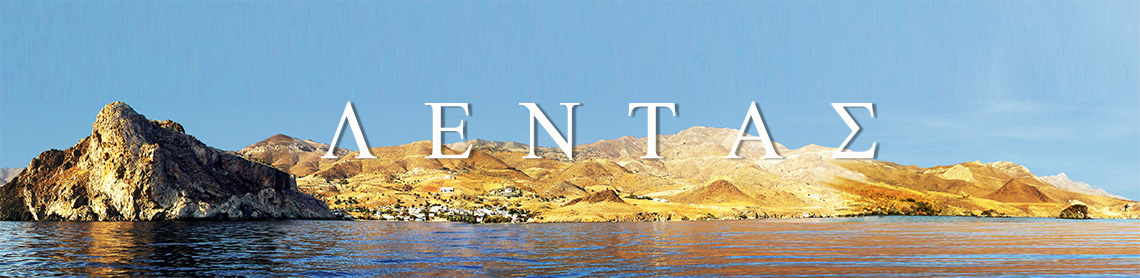
Nowadays little information from the past of the place Lentas has remained. However, the current name Lentas finds its origin in the Phoenician word "Lebena", which meant "white" and which describes the color of the foothill, where the settlement was situated. Proofs of remainders of a Phoenician settlement are missing however. In the antiquity then probably this name changed into the Greek word Leon (also Levin).
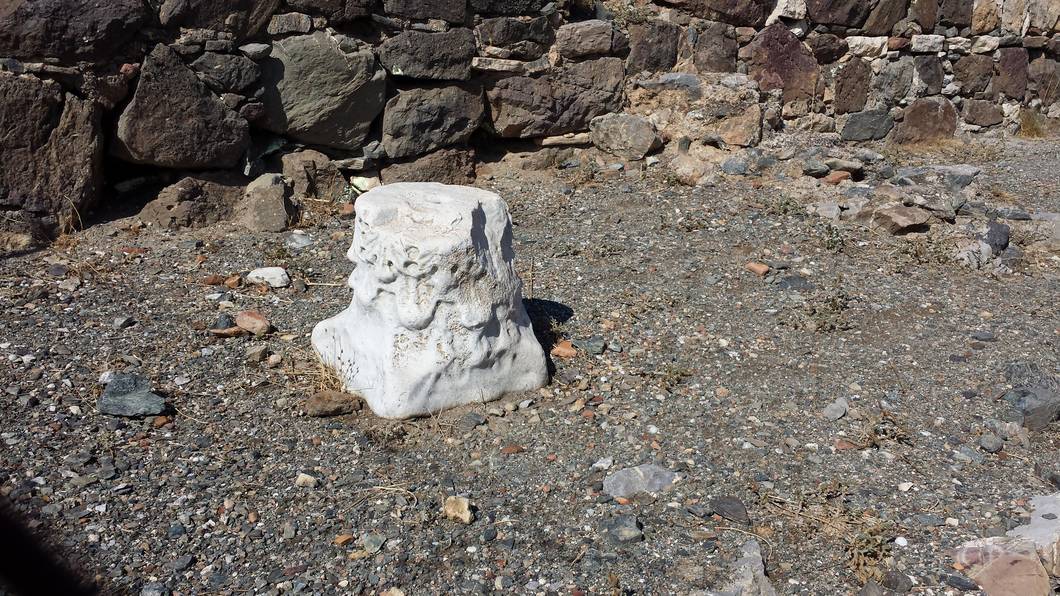
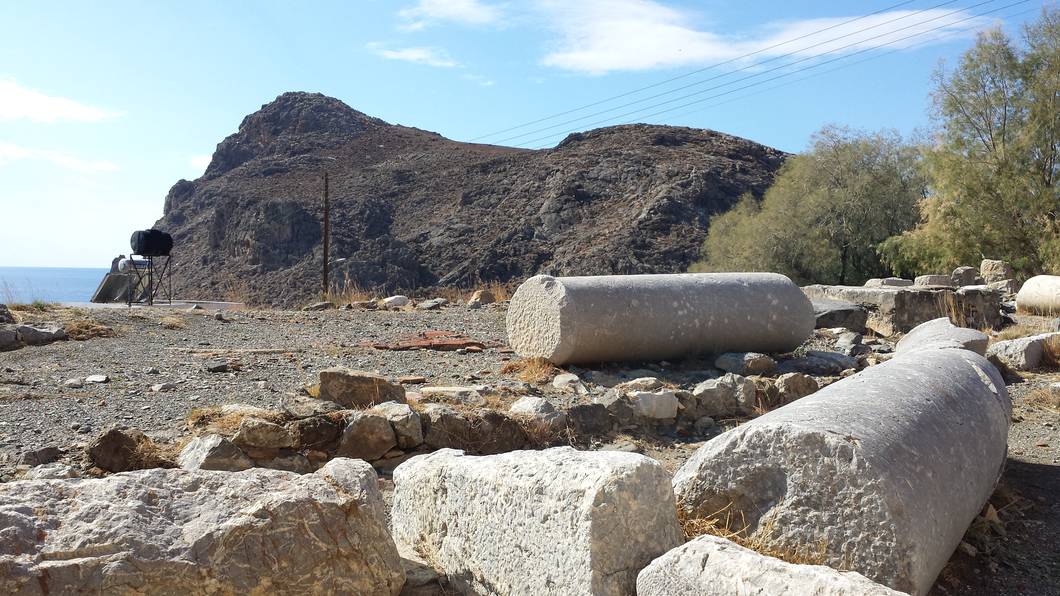
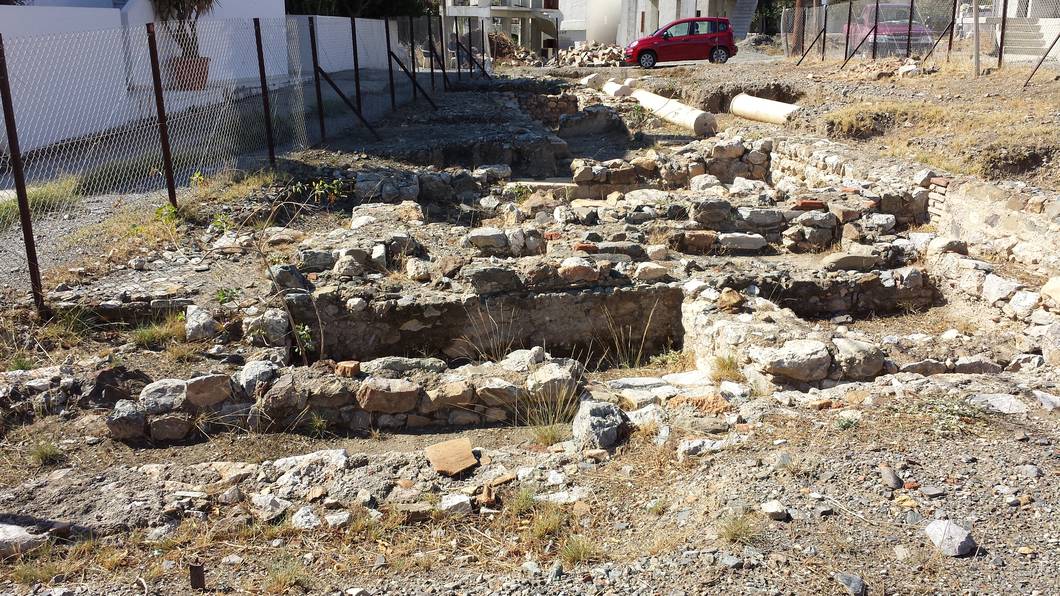
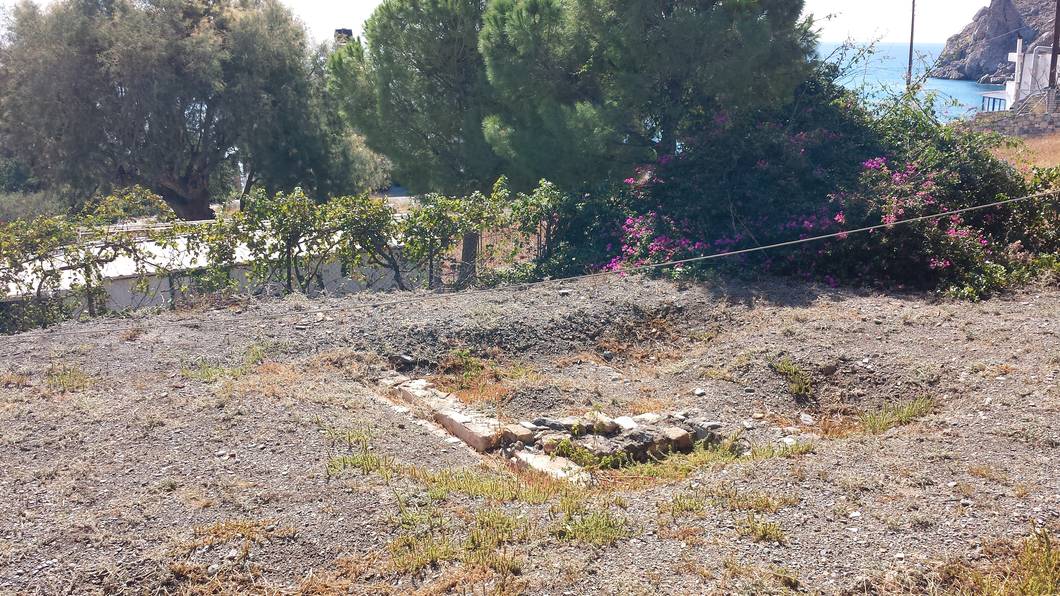
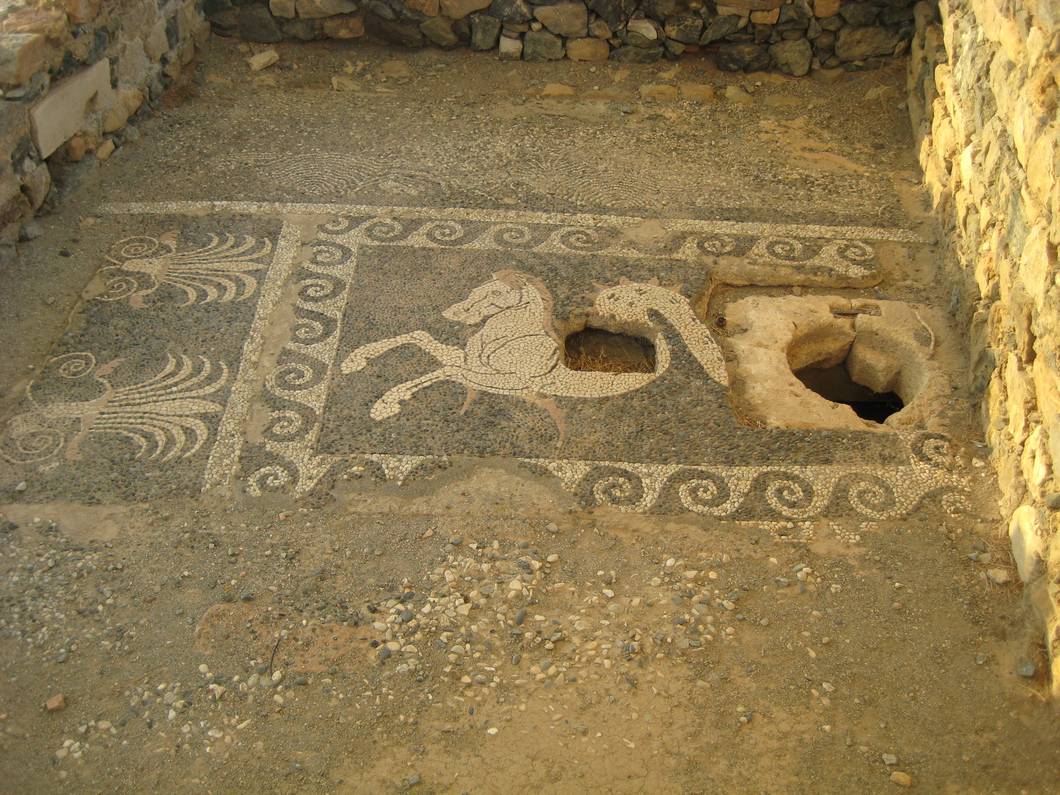
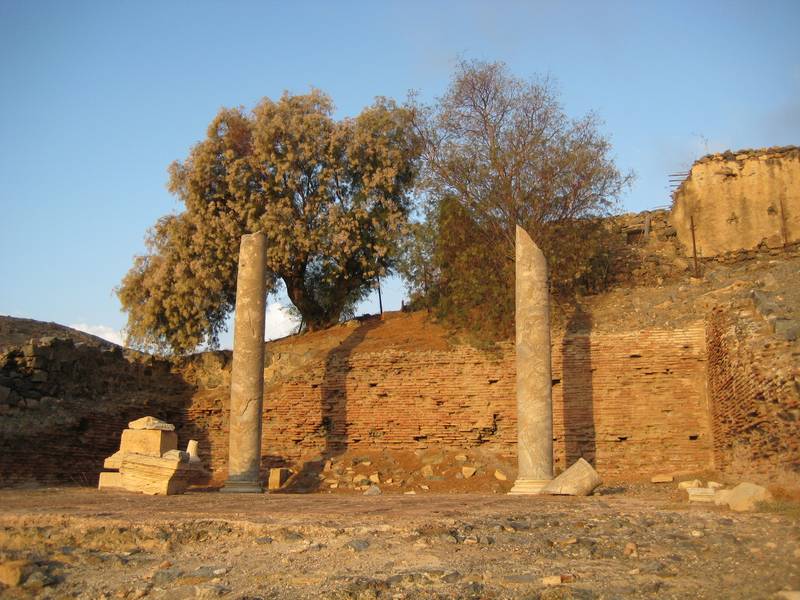
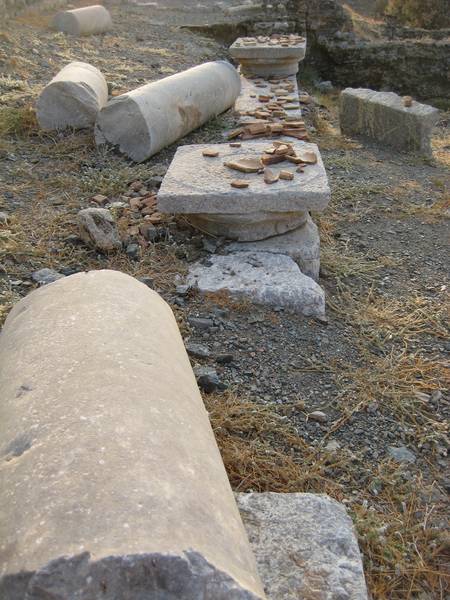
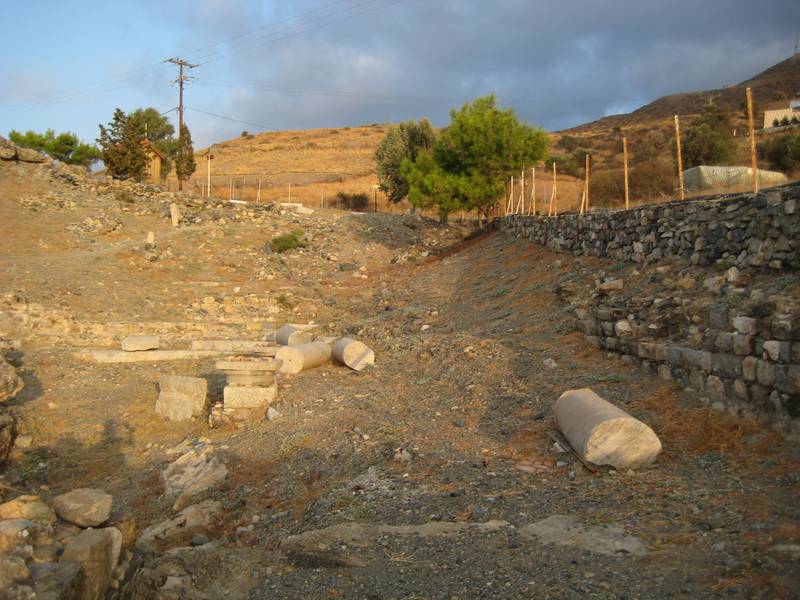
The Minoans withdrew themselves into the east part of Crete - until the Dorians finally conquered the island. Through the Dorians numerous city-states were founded, which enlarged the trade relations of the island. With the establishment of a welfare center, the Asclepius temple, in the 4th. century before Christ Lentas (Leion, Levin, Lebena) became famous across its borders. The temple was established as a satellite of the powerful central temple on the Peloponnese. Beside a temple with statues of god and his daughter Hygeia there was also a treasure house with an underground space, in which the gifts for the god were secured. A magnificent floor mosaic, which represents a hippocampus (sea-horse), decorates this building section and is preserved. The building was divided into several pillar halls (for instance one for the welfare sleep), gate elbows and large marble stairs. One with a Nymphanian covered spring led the water through a ceramic water pipe into the bath basins. Adjacent on the holy district both the patients and their companions were accommodated in lodgings and guesthouses. The priests as well were situated there in their own houses.
Visitors from all over Greece and North Africa visited in that time the magnificently equipped hot springs with their healing waters. The famous hot springs and the developing of a harbor surely helped the place to prosperity. The port at that time belonged however to the metropolis Gortys which was situated land inward, which took the port settlement Lentas with support of the city Knossos in the year 219 B.C. in possession. By conquering, the entire Messara Gortys developed an important center of power with trade relations to Egypt and Syria. Lentas was not independent during this important time; we know that Lentas did not have its own currency.
The Asclepios temple was several times converted and changed during its history, so that original Greek architecture has hardly remained. In particular, the momentous earthquake in 46 B.C. had inflicted considerable damage.
Rome finally conquered Crete in 67 B.C. The inhabitants of Gortys allied themselves with the new ruling powers and thus could save their city from destruction. The Romans made Gortys the capital of Crete, structured this to a magnificent city and transferred the administration of the province "Creta et Cyrenaica" to Gortys. Lentas had become Roman.
The Romans as well visited the Asclepios temple frequently and fitted it in the 3rd and 4th century in Roman architecture, by adding emperor hot springs.
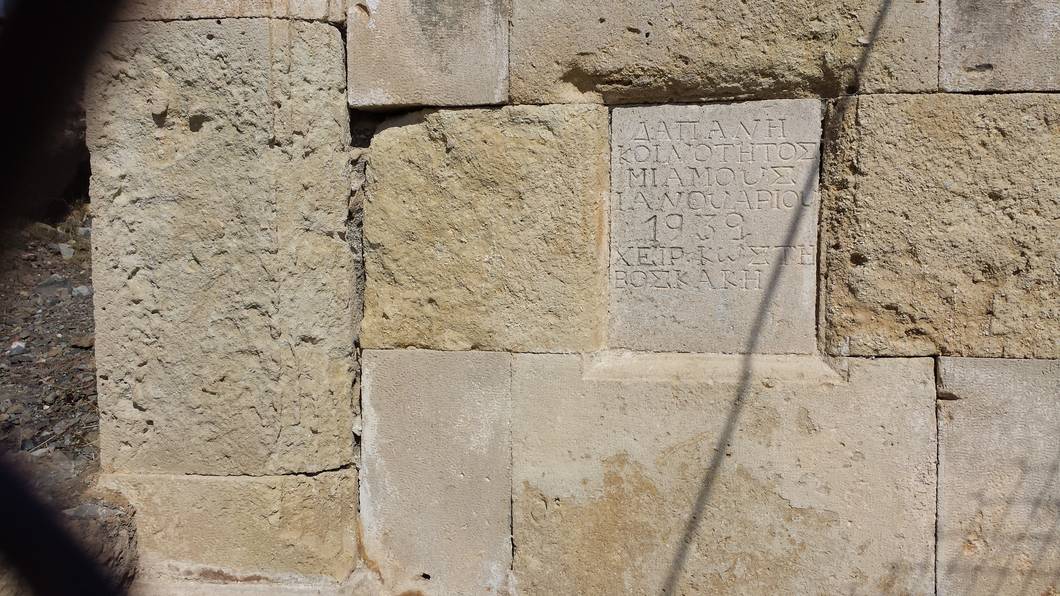
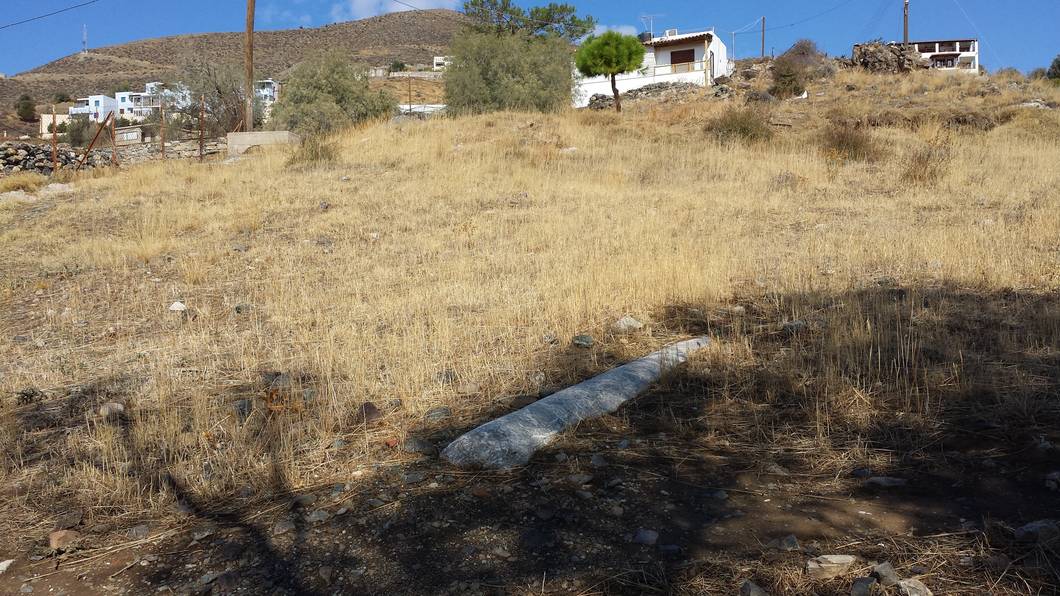
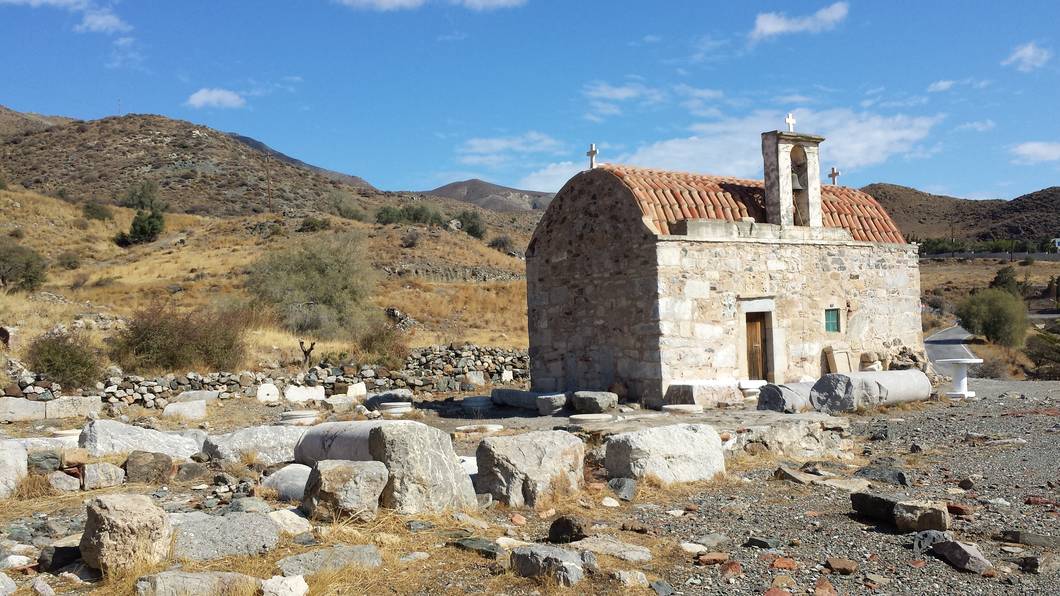
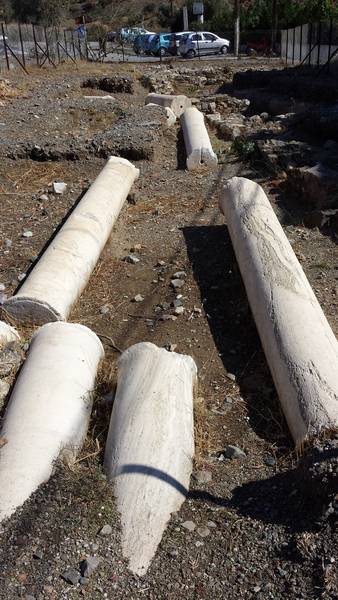
In the 4th and 5th century, Christianity became generally accepted, and the Asclepios cult lost its meaning. The sanctuary was destroyed as „pagan worship" and was used as a quarry. Beside the formerly holy district, an early Christian basilica was established, for this building mainly antique components of the temple were used. Still today, one can regain the built-in marble columns sections in the current church.
With the decline of the Asclepios temple the place Lentas (or Lebena, Leon, Levin) lost its importance. Numerous conquerors of the island - Byzantines, Arabs, Venetians, Turks and occasionally pirates - alternated. Writings on Lentas about this period are not known. However, it is pointed on almost all geographical cards of the 16th and 17th century as a port (P. Leon). Therefore, we can assume that Lentas was not at any time uninhabited.
In the middle of the 19th century, archaeologists started with the first excavations, which have been systematically continued and today they still discover antique finds. A wide strip around the place is a protected area that prevents building large hotels and therefore Lentas will always remain this little, idyllic fishing village at the Libyan sea.